
In today’s fast-moving business environment, meetings need to be efficient, seamless, and highly professional. Conference room automation is becoming a key solution that helps companies simplify operations, reduce manual work, and improve overall meeting quality. By integrating advanced technologies, automated conference rooms can deliver a smooth experience for both organizers and participants, whether onsite or remote.
What is conference room automation?
Conference room automation refers to the use of integrated technologies to control and manage all meeting room systems through a centralized interface. Instead of manually operating each device, users can manage lighting, sound, displays, video conferencing, and environmental settings with just a touch panel, mobile app, or even voice commands.
This system is designed to simplify complex technical processes. For example, with one command, the room can automatically turn on the projector, adjust lighting levels, activate microphones, and connect to an online meeting platform. It helps reduce setup time and minimizes technical errors, especially in large-scale or high-level conferences.
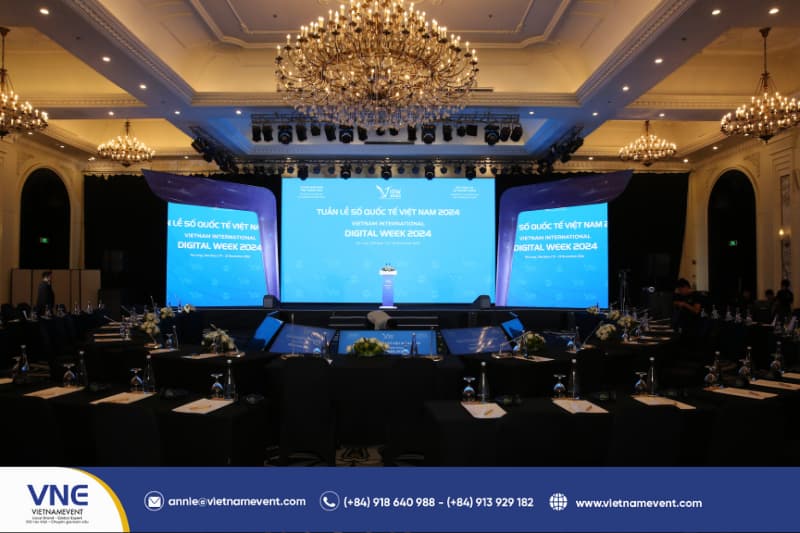
Key technologies used in conference room automation
A modern automated conference room is built on a combination of advanced technologies working together to create a unified system.
First, control systems play a central role. These systems allow users to manage all devices through a single interface, ensuring consistency and ease of use. Popular solutions often include touch panels or tablet-based controls that are intuitive even for non-technical users.
Second, audio-visual (AV) integration is essential. High-quality microphones, speakers, LED screens, and projectors are connected and synchronized to deliver clear sound and sharp visuals. This is especially important for hybrid meetings where both in-person and remote participants need the same experience.
Third, video conferencing platforms are integrated directly into the system. Tools like Zoom, Microsoft Teams, or Google Meet can be launched instantly without complicated setup. Cameras with auto-tracking features can focus on speakers, making communication more natural.
Another important element is smart lighting and environmental control. Lighting can be adjusted automatically based on the meeting type, while air conditioning systems can maintain a comfortable environment throughout the session.
Finally, wireless presentation systems allow participants to share content from their laptops or mobile devices without cables. This increases flexibility and keeps the meeting flow uninterrupted.
Why should you implement automation technology for your conference events?
Implementing conference room automation brings significant benefits, especially for businesses that frequently organize meetings, seminars, or corporate events.
One of the biggest advantages is improved efficiency. Automated systems reduce the time needed to set up and manage meetings. With just a few clicks, everything is ready to go, allowing teams to focus on content rather than technical issues.
It also enhances professionalism. A well-organized, smoothly operated conference creates a strong impression on clients, partners, and stakeholders. There are no delays, no technical interruptions, and the overall experience feels polished and reliable.
Another key benefit is consistency. Every meeting follows the same setup and quality standards, regardless of who is operating the system. This is particularly important for large organizations with multiple meeting rooms.
Automation also supports hybrid and remote collaboration. With integrated video conferencing and high-quality AV systems, participants from different locations can join and interact without barriers.
In addition, it helps reduce operational costs in the long run. While the initial investment may be higher, automation minimizes the need for technical staff and reduces the risk of equipment misuse or damage.
Finally, it improves user experience. Even people without technical knowledge can easily control the system, making meetings more accessible and stress-free.
Steps to Set Up Conference Room Automation
Identify the Needs and Objectives of the Conference
The first step in setting up a conference room automation system is to clearly define the purpose and scale of your meetings. Different types of conferences require different levels of technology. For example, a small internal meeting may only need basic automation for lighting and display, while a large corporate conference or hybrid event will require advanced AV integration, video conferencing, and centralized control systems.
You should also consider the number of participants, whether remote attendees will join, and the level of interaction required. Understanding these factors helps ensure that the system is designed to support real needs instead of adding unnecessary complexity or cost.
Select the Appropriate Automation Equipment
Once the requirements are clear, the next step is choosing the right equipment. This includes control systems, microphones, speakers, cameras, LED screens, projectors, and wireless presentation tools. Each device should be compatible and able to integrate into a unified system.
It is important to prioritize reliability and ease of use. High-quality equipment ensures stable performance, while user-friendly interfaces allow staff and participants to operate the system without technical difficulties. For businesses that host frequent meetings, investing in scalable solutions is also a smart choice, as it allows future upgrades without replacing the entire system.
Design and Install the Conference Room Automation System
After selecting the equipment, a detailed system design is required. This step involves planning how all devices will be connected and controlled within the space. The layout of the room, seating arrangement, and viewing angles must be carefully considered to ensure optimal sound and visual performance.
Professional installation is critical at this stage. Proper wiring, system configuration, and integration will determine how smoothly the automation system operates. A well-designed setup allows all components to work together seamlessly, from lighting and sound to video conferencing and content sharing.
Testing is also an essential part of this process. Before the system is put into use, all functions should be checked to ensure stability and performance under real conditions.
Operate the Automated Conference Room System
Once the system is installed, daily operation should be simple and efficient. Most automated conference rooms are controlled through a central interface, allowing users to manage all functions with minimal effort.
However, basic training is still necessary to ensure that staff can use the system effectively. This includes understanding how to start and end meetings, adjust settings, and handle minor technical issues. For larger events, having on-site technical support is recommended to guarantee smooth operation throughout the program.
Regular maintenance and system updates are also important to keep the automation system running at its best and to extend its lifespan.
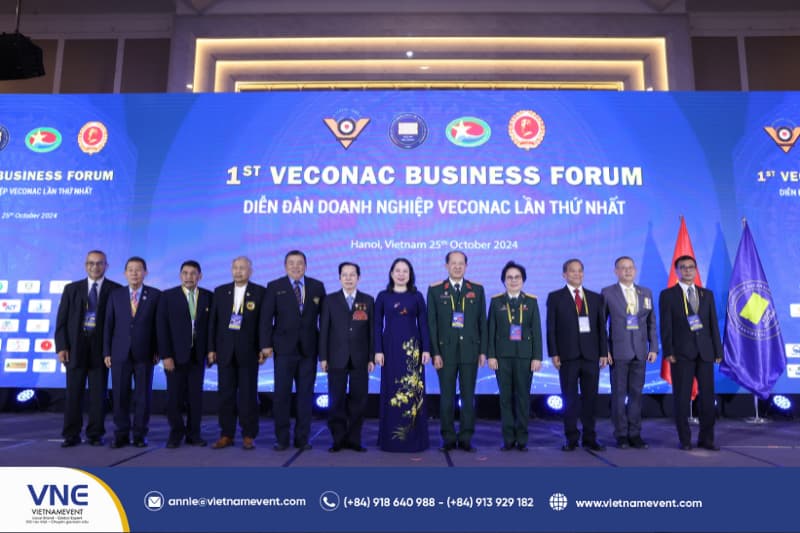
Comprehensive Conference Event Organization Services at VietnamEvent
At VietnamEvent, we go beyond providing individual technical solutions. We deliver comprehensive conference organization services that integrate advanced technology, including conference room automation, into a complete event experience.
Our team works closely with clients to understand their objectives, scale, and expectations. From consulting and system design to equipment setup and on-site operation, we ensure every detail is handled professionally. Whether it is a small business meeting, a large corporate conference, or a hybrid event, our solutions are tailored to match your exact needs.
With strong experience in event organization and a deep understanding of modern AV technology, VietnamEvent helps clients create efficient, professional, and impactful conferences.
Contact VietnamEvent today to explore how our automation solutions and full-service event support can elevate your next conference to a higher standard.
—--------------------------
Hanoi: 29 Doan Thi Diem St., O Cho Dua Ward, Hanoi City, Vietnam
Da Nang: 217 Tran Phu St., Hai Chau Ward, Da Nang City, Vietnam
HCM: 05 Hoa Cau St., Cau Kieu Ward, Ho Chi Minh City, Vietnam
Branch offices: Thailand, Singapore
WhatsApp/Zalo/Viber/Hotline: (+84) 945 683 355 - (+84) 939 311 911 - (+84) 913 929 182
https://vietnamevent.com/
event@vietnamevent.com
Views: 589

